Year One: What Worked, What Didn’t and What’s Next
We said we wanted to be honest about our first year. So here it is.
Starting a foundation is exciting. It’s also complicated. There are big opportunities, limited resources, organizations with very different needs and a lot to learn along the way. We didn’t get everything right. But we learned a lot.
What worked
Showing up, not just writing checks. Funding is only part of the equation. Working alongside our partners helped us understand what they actually need, not just what looks good on a grant application.
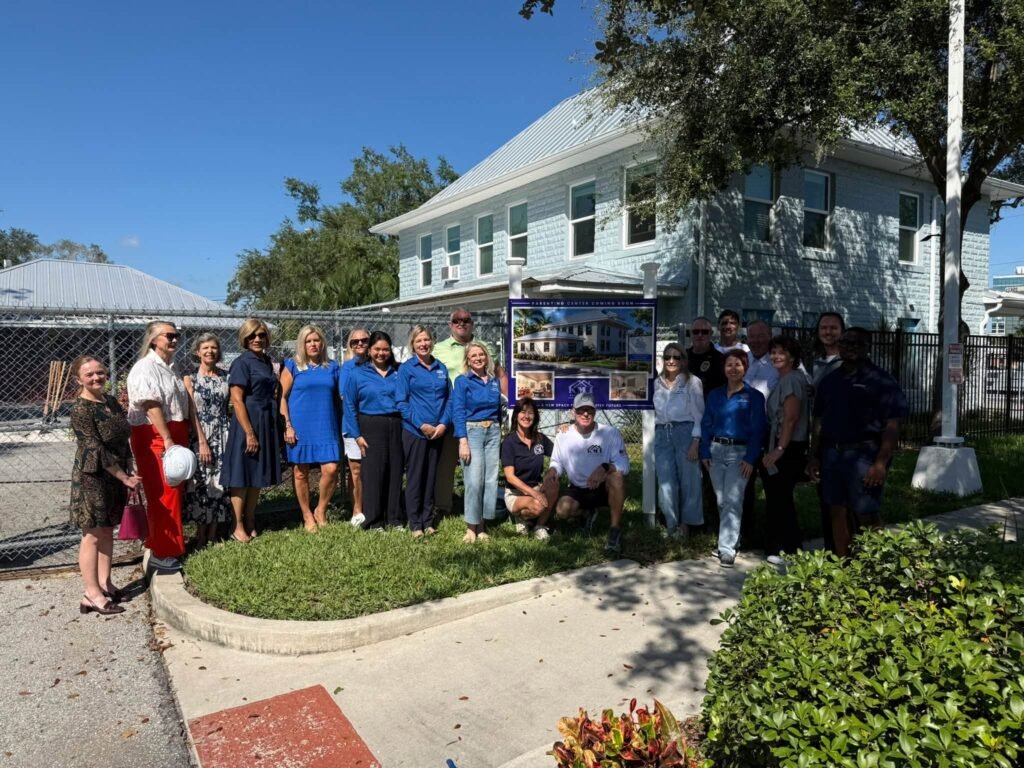
- At Manatee Children’s Services, that meant helping turn a need for more PCIT capacity into a campus expansion, alongside upgraded group homes and two new vans.
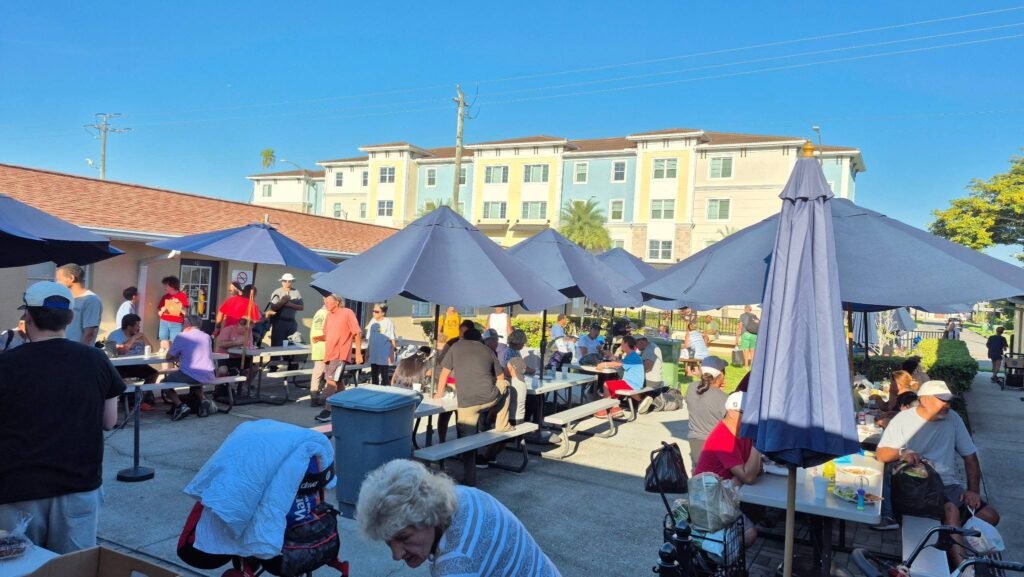
- At Hunger’s End, it meant steady monthly support, plus extra food when summer and fall demand climbed.
- At Bring on the Ministry, it meant funding a laundry truck and new staff to bring services directly to people experiencing homelessness.
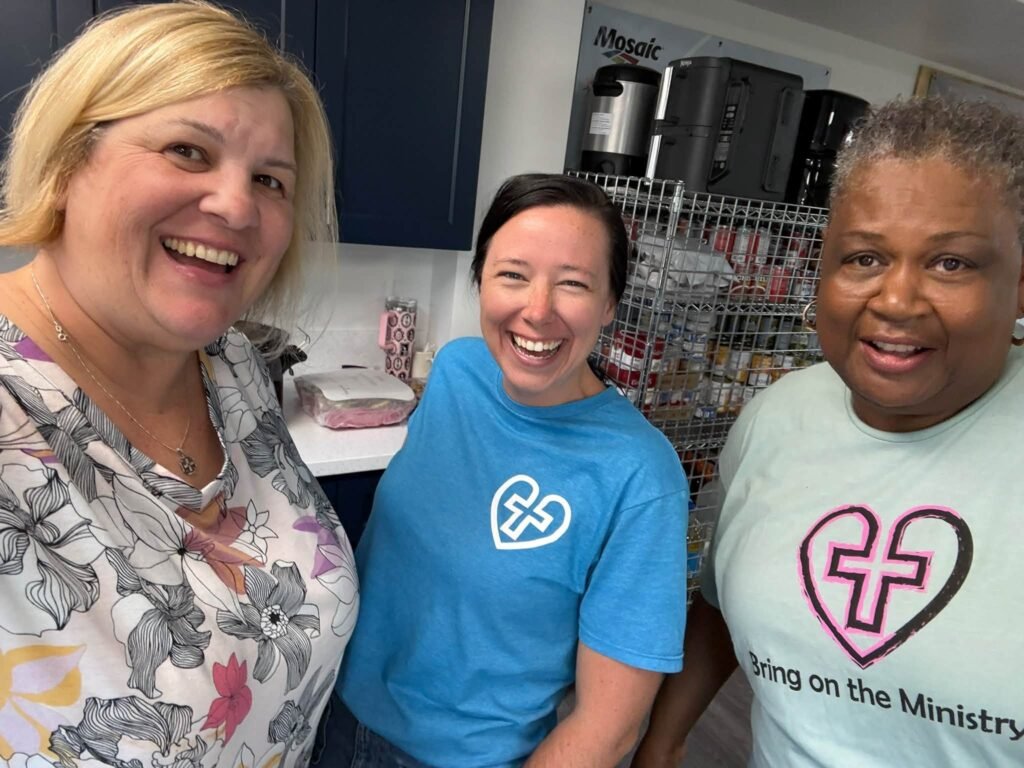
The lesson: sometimes the best way to learn how to help is to show up and listen.
Setting goals together. We want every grant to have a purpose. Not every outcome fits in a number, but we want to understand what a partner is trying to accomplish, what success looks like and how our funding fits in. Our best conversations this year weren’t always the easiest. They were the ones where we asked: What are you trying to do? What’s in the way? What would make the biggest difference?
Working together. No foundation, nonprofit or community leader will solve homelessness, hunger, poverty or family instability alone. This year, we met with the region’s major foundations, and we now meet regularly to share priorities and coordinate funding. Projects like Harbor58, which brings together a church, local businesses, donors, foundations and county government, show what’s possible when we combine resources.
What we learned the hard way
Growth has to be sustainable. It’s easy to get excited about a good organization with a compelling mission and jump to what comes next. But growth costs money. More clients, programs, staff and buildings don’t automatically mean more impact. Sometimes the responsible choice is to slow down, strengthen the foundation underneath an organization and make sure growth can last.
Not every good opportunity is the right one. We saw more needs this year than we could possibly fund, and that was one of the hardest parts. Being a responsible funder means choosing where our resources can make the most meaningful difference. Saying “not yet” isn’t always saying “no.” Sometimes it means “let’s build the right plan first.”
These lessons will shape how we work in year two.
What’s next
Year one showed us what a strong partnership looks like. It also showed us its limits. A neighbor rarely needs just one thing. A mother facing eviction may also need childcare and a steadier job. A man finishing a recovery program needs a place to live and a path to work. When every organization is its own separate door, too many people slip through the gaps between them.
In year two, we’ll keep our commitments moving:
- Seeing Harbor58 through to its opening in 2027
- Moving Branscomb Hall with The Portico from bidding into construction
- Supporting Manatee Children’s Services as its expanded PCIT capacity comes online
- Continuing our partnership with Hunger’s End as it meets ongoing and seasonal needs
- Supporting Bring on the Ministry as it expands its reach to people experiencing homelessness
And we’ll take the next step: connecting the organizations we support into one network that walks with a neighbor from the first sign of trouble to lasting stability. That means focusing on a few neighborhoods where we can measure real change, holding ourselves to outcomes rather than activity, and investing more in training and collaboration for our partners.
We’ll share that plan in the final post of this series.
Thank you
A first year doesn’t happen alone. It happened because nonprofit leaders opened their doors and trusted us with honest conversations. Because staff and volunteers kept showing up. Because other funders, community leaders and partners were willing to work together.
Thank you for being part of year one. We’re proud of what we’ve accomplished, and even more excited about what comes next.